“How often I wanted to gather your children together, like a hen gathers her own brood under her wings, and you refused!”
Luke 13:34
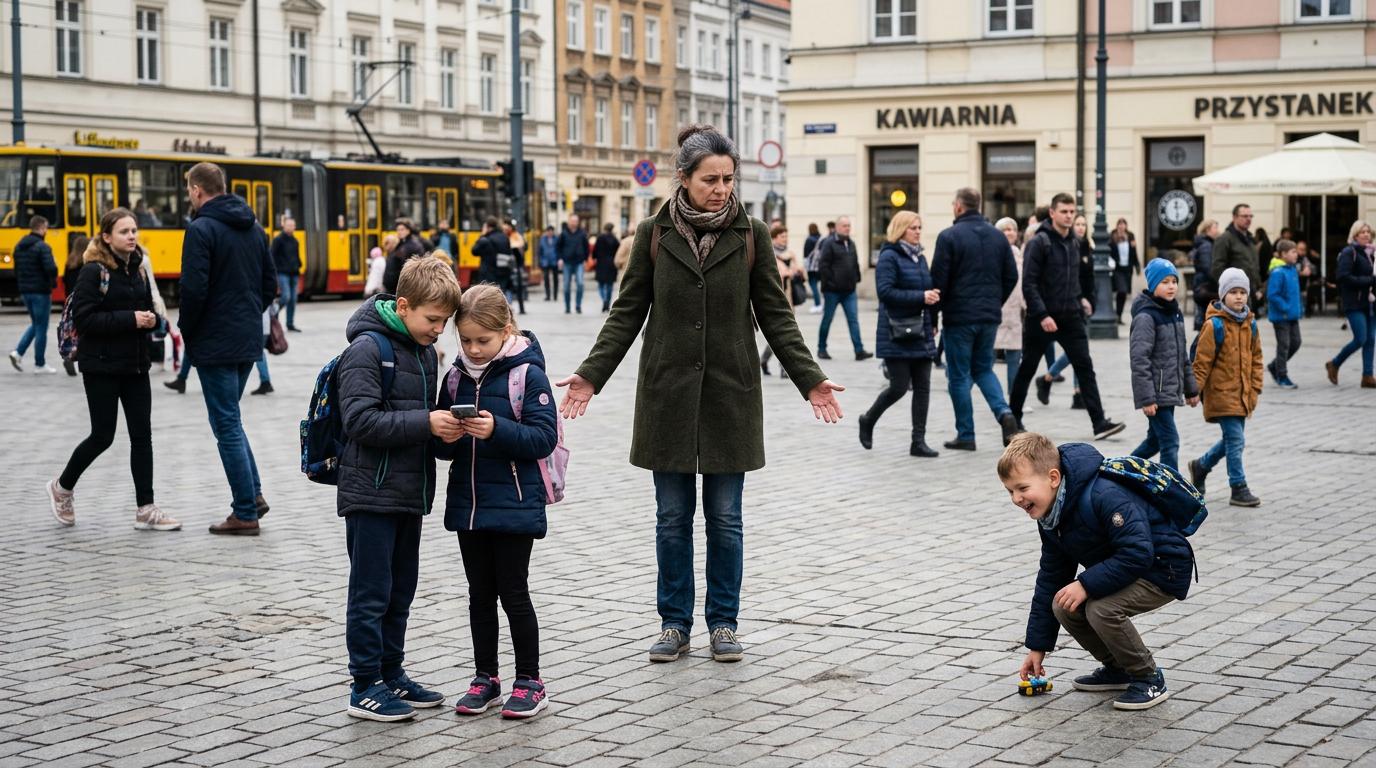
Picture a busy square in the center of a modern city. Amid the hurry, the noise and the indifference of passersby stands a lonely mother with her arms open wide, trying to gather her children, who have scattered, absorbed in their own affairs. Her face shows a mix of love, care and quiet sadness as she watches her call go unnoticed and her open arms remain empty. It is an image from our everyday world, and it touches the heart of today's Gospel.
An unwavering path, a fearless heart
Today's Gospel takes us into the middle of a tense moment. The Pharisees warn Jesus about Herod, who wants to kill Him. It is a real danger, a political intrigue that could break anyone. Yet the answer of Jesus is striking in its firmness and freedom: “Go and tell that fox, ‘Behold, I cast out demons and perform cures today and tomorrow, and the third day I complete my mission.’” Jesus does not let fear or threats set His course. His mission is defined by a higher will, by the Father, not by the whims of earthly rulers. He goes His way whatever the obstacles, because He knows where it leads and what its goal is.
This steadfastness is not cold determination. It is rooted in deep love and in a clear sense of mission. Jesus knows that His road leads to Jerusalem, the place that will witness the greatest act of love and redemption, and also the place of rejection. “It can't be that a prophet would perish outside of Jerusalem”: a bitter irony that underlines the tragic destiny of the city that was meant to be the heart of faith.
Wings that wait for our return
And precisely here, right after this declaration of steadfastness, comes one of the most moving laments of Jesus: “Jerusalem, Jerusalem, you who kills the prophets and stones those who are sent to her! How often I wanted to gather your children together, like a hen gathers her own brood under her wings, and you refused!” This is not an accusation. It is the voice of a deep, wounded love. The image of a hen spreading her wings to shelter her chicks is a picture of unconditional care. Jesus wants to gather, to protect, to give safety, but He meets resistance: human freedom choosing another way.
God's longing for us is one of the most beautiful and most painful sides of His love. God does not force Himself on us or compel us to accept His care. He calls, He invites, He opens His arms, but He respects our freedom to choose. This call echoes in every heart, in every age. How often have we too, absorbed in our own affairs and scattered, refused to take shelter under His wings, choosing an illusory independence?
The armor of truth in the spiritual struggle
In this light it is worth recalling the first reading from the Letter to the Ephesians, which speaks of the armor of God. The Apostle Paul urges us: “Put on the whole armor of God, that you may be able to stand against the wiles of the devil.” Yet this armor, the belt of truth, the breastplate of righteousness, the shield of faith, the helmet of salvation and the sword of the Spirit, is not for fighting people, for aggression or for imposing our will. As the liturgical notes in Homileo rightly put it, the armor of God is not for fighting people, but for standing firm in truth and prayer. It is armor for the inner struggle: against deceptive thoughts, against the temptation to reject God's love, against the fear that could turn us away from the path God has set. It is armor that lets us remain faithful even when the world around us seems hostile or indifferent.
To put on this armor is to accept God's perspective consciously, to see His love as the highest value and His will as our guide. It also means being ready to pray, for prayer is our strongest weapon in the spiritual struggle: prayer for those who reject Him, for those who have gone astray, and for ourselves, so that we may always hear the Savior's call.
The price of freedom and the promise of hope
The consequences of rejecting God's love are painful: “Behold, your house is left to you desolate.” Turning away from God leads to emptiness, to loneliness, to the loss of true meaning. This is not punishment in the sense of revenge, but the natural result of turning away from the Source of Life. Yet even in this sad prophecy Jesus leaves a ray of hope: “I tell you, you will not see me until you say, ‘Blessed is he who comes in the name of the Lord!’” It announces a future recognition, a future conversion, a future meeting.
With the Solemnity of All Saints and the Commemoration of All the Faithful Departed approaching, these words take on a special meaning. They remind us that the final goal of our journey is to be gathered in the Father's house, under His eternal wings. There, in the fullness of the saints, in communion with those who have already said “Blessed is he who comes in the name of the Lord”, we will find true fulfillment. Today's Gospel invites us to reflect on our freedom: how do we use it? Do we let God gather us under His wings, or do we stubbornly go our own way and risk desolation? May our answer always be: “Blessed is he who comes in the name of the Lord!”
#GospelOfTheDay #GodsLove #FreedomOfChoice #ArmorOfGod #homileo #Hope #Jesus
Back to the blog